









✨ I write simple, stupid and hence, readable "okay" codes with less WTFs/min from code reviews - mostly in Flutter, Node.js.
✨ Industries: Offshore IT Industry, Digital Agency, Health, Education, Finance.
Things you should know -
- 🔭 Currently working on: Dart & Flutter
- 🌱 Getting better at: Flutter, Swift, Kotlin, Agile Software Development, Technical Product Management
- 📫 Reach me out: Shoot a mail at
⚡️ Languages






Level novice or no more worked


⚡️ IDE / Editor






⚡️ Data






⚡️ Frameworks / Platforms






⚡️ Tools










Worked (Alphabetical order)


⚡️ Github Status

📕 Latest Blog Posts
- A Comprehensive Guide to Flutter Widget Previews (Beta)
- Missing Dart? When TypeScript Feels Like a Desert
- Ultimate Guide to Managing Multiple SSH Keys for Git and Server Access
- Solving Artifacts with
ImageFilter.blurin Flutter on Android, iOS and macOS - Innovation in Accessibility: Real Inclusion or Barrier for the Deaf Community?
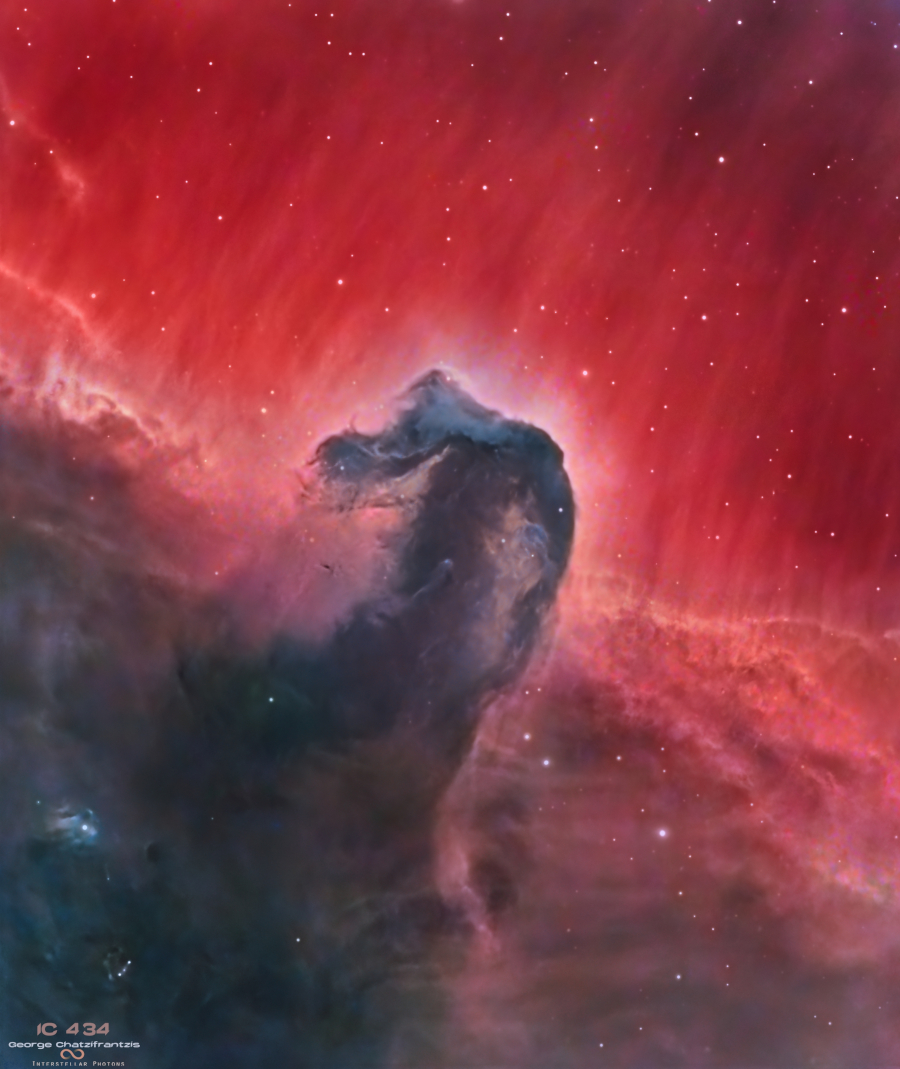
Sculpted by stellar winds and radiation, this dusty interstellar molecular cloud has by chance assumed an immediately recognizable shape. Fittingly known as The Horsehead Nebula, it lies some 1,500 light-years distant, embedded in the vast Orion cloud complex. About five light-years "tall," the dark cloud is cataloged as Barnard 33, first identified on a photographic plate taken in the early 20th century. B33 is visible primarily because its obscuring dust is silhouetted against the glow of emission nebula IC 434. Hubble space telescope images from the early 21st century find young stars forming within B33. Of course, the magnificent interstellar cloud will slowly shift its apparent shape over the next few million years. But for now, the Horsehead Nebula is a rewarding though difficult object to view with small telescopes from planet Earth.
NASAI'm looking for sponsors to support my open source development, I appreciate your support! :)


